
What are the black streaks on your roof? In most cases, those dark streaks are a type of algae called Gloeocapsa magma. It feeds on the limestone filler in asphalt shingles and spreads in warm, humid weather. It’s mostly a cosmetic problem, but it can hold moisture and, over time, lead to moss and faster shingle wear.
If you live in Hickory, Lenoir, Morganton, or anywhere in the Foothills, you have probably seen black streaks on roofs all over your neighborhood. Our humid summers and shady, tree-lined lots are perfect for algae. This guide explains what causes the streaks, whether they hurt your roof, how to clean them safely, and how to keep them from coming back.
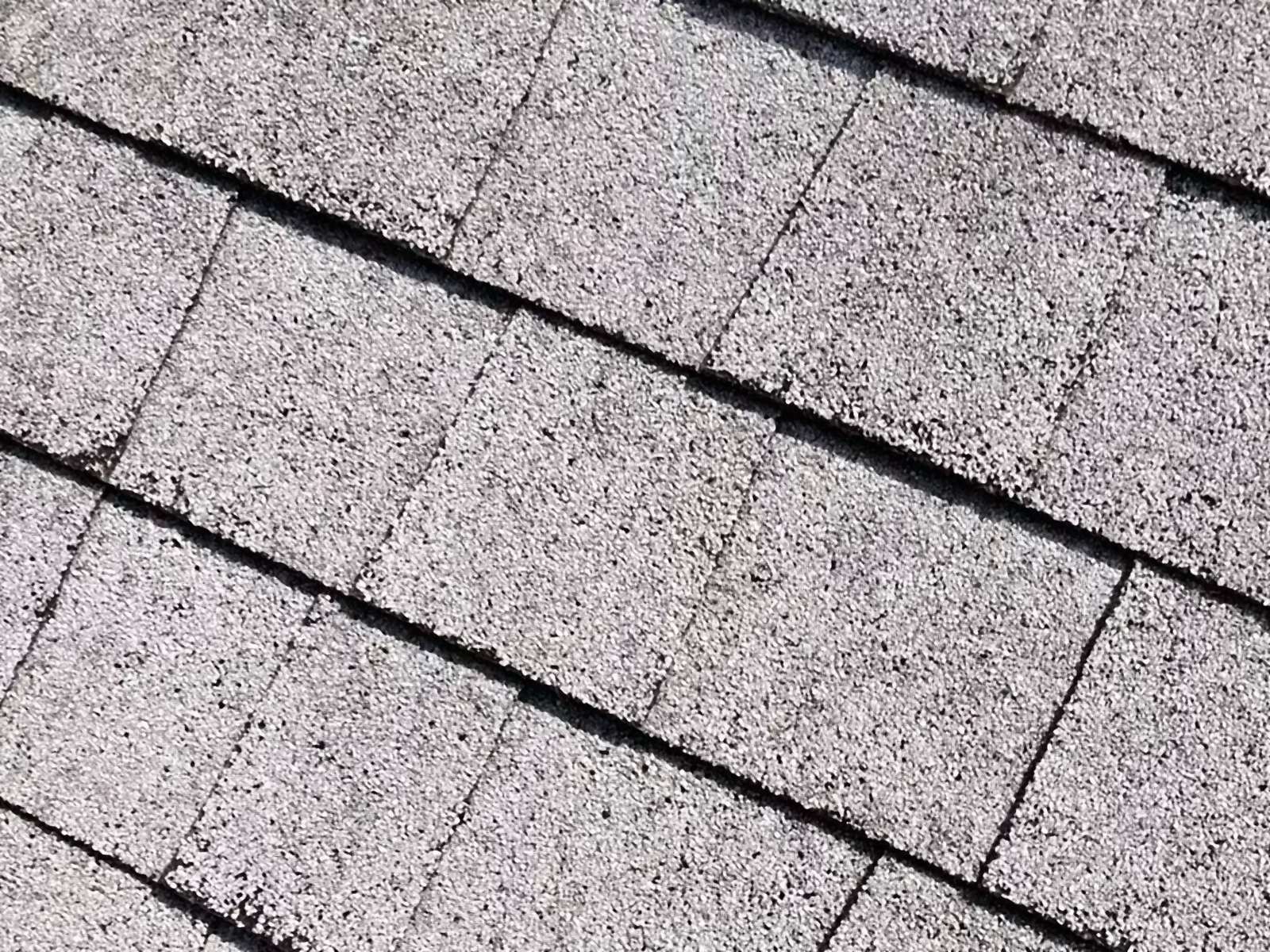
What Causes Black Streaks on Your Roof?
Black streaks on your roof start when airborne algae spores land on the shingles. Wind and birds carry them from roof to roof. That is why one house on a street often gets streaks, and then the homes nearby do too.
Humidity and Shade
Algae loves moisture. North-facing slopes and roof areas under trees stay damp the longest after rain or morning dew. Those spots usually streak first.
Shingle Material
Many asphalt shingles contain crushed limestone as filler. The algae feeds on it. As the algae grows, it builds a dark outer layer that protects it from the sun. That dark layer is what you see as black streaks on your roof.
Runoff Patterns
Rain washes the algae downhill, which is why black streaks on your roof look like stripes instead of spots.
Are Black Streaks on Your Roof Harmful?
On their own, the streaks are mostly a looks problem. They won’t make your roof leak overnight. But they are worth paying attention to for a few reasons.
- Moisture: Algae holds water against the shingles, which can speed up wear.
- Moss: Algae often leads to moss. Moss has roots that can lift shingle edges and let water in.
- Heat: Dark streaks absorb more sun, which can make the attic warmer. ENERGY STAR explains why cooler, more reflective roofs help.
- Curb appeal: A streaked roof makes a home look older and can turn off buyers.
If you see green, fuzzy patches, not just dark streaks, that is likely moss. Moss is more serious and should be dealt with sooner.
Is It Algae, Mold, or Something Else?
Not every dark mark is algae. Dark areas can also be worn spots where granules have washed off, or stains from a leak or bad flashing. Granule loss is a sign of aging, not algae. If you aren’t sure what you’re looking at, a free inspection will tell you. You can also read what you should know about roof maintenance.
How to Clean Black Streaks Off Your Roof Safely
You can remove the streaks, but the wrong method can damage your roof.
Do Not Pressure Wash
Pressure washing blasts the protective granules off shingles. That can shorten the life of your roof and may void the manufacturer warranty. Avoid it.
Use a Gentle Cleaning Solution
Shingle makers commonly suggest a soft wash: a diluted cleaning solution sprayed on at low pressure, then rinsed gently. Many homeowners use a mix of water and household bleach or a store-bought roof cleaner made for asphalt shingles. Always follow the product label and your shingle maker’s guidance.
Protect Your Plants and Yourself
Wet plants and grass around the house before and after cleaning, or cover them. Wear eye protection and gloves. Never walk on a wet, slippery roof.
Consider Hiring a Pro
Roof work is dangerous. Falls are a real risk, especially on steep roofs. If you aren’t comfortable on a ladder, hire someone with the right gear and insurance.
How to Prevent Black Streaks From Coming Back
Cleaning helps, but black streaks on your roof often come back within a few years. Here’s how to slow it down.
- Trim trees: More sun and airflow help the roof dry faster.
- Keep gutters clean: Clogged gutters hold moisture at the roof edge.
- Clear debris: Leaves and pine needles trap water on the shingles.
- Zinc or copper strips: Metal strips near the ridge release small amounts of metal when it rains, which can help slow algae growth.
- Algae-resistant shingles: If you are replacing your roof, many shingle lines offer algae-resistant granules. CertainTeed explains how copper granules fight algae. Ask your roofer about them.
Why Black Streaks Are So Common in the Foothills
Drive through Hickory, Conover, Newton, or Granite Falls, and you’ll spot streaked roofs on almost every street. There are a few local reasons.
Lots of Trees
Many homes in Catawba, Caldwell, and Burke counties sit on wooded lots. Trees shade the roof, drop leaves, and keep the shingles damp for hours after a rain. That gives algae a long, comfortable growing season.
Warm, Wet Summers
Our summers bring heat, high humidity, and frequent afternoon storms. Algae grows fastest in exactly those conditions. Spring and fall dew keeps the roof wet in the mornings too.
Older Shingles
Many roofs in the area were installed before algae-resistant shingles were common. Older shingles have no built-in protection, so black streaks on your roof spread faster.
A Simple Seasonal Roof Checklist
A few minutes each season can help you catch black streaks on your roof early, along with other problems.
- Spring: Look for new streaks, moss, and any shingles loosened by winter wind.
- Summer: Check after big thunderstorms for missing shingles or fallen limbs.
- Fall: Clean gutters after the leaves drop and trim back branches.
- Winter: Peek in the attic for damp spots, frost, or stains.
When Black Streaks Mean It’s Time for More Than Cleaning
Sometimes black streaks on your roof show up alongside bigger problems. If you also see curling shingles, bald spots, heavy moss, or water stains in the attic, your roof may need repair or replacement. Our team handles both roof repair in Hickory and full roof replacement across Western North Carolina.
If your roof is getting older anyway, a new roof with algae-resistant shingles can solve the streaks and the aging at the same time. Get a fast estimate with our instant roof quote tool. We also offer roof financing options to help spread out the cost. You can call us at 828-501-0742 to set up a free inspection.
Frequently Asked Questions
What are the black streaks on my roof?
Most black streaks on roofs are algae called Gloeocapsa magma. It grows on asphalt shingles in warm, humid weather and is very common in North Carolina.
Do black streaks damage my roof?
The streaks are mostly cosmetic, but algae holds moisture and can lead to moss, which can lift shingles and shorten your roof’s life.
Can I pressure wash my roof to remove streaks?
No. Pressure washing strips granules from shingles and can shorten the roof’s life. Use a gentle, low-pressure soft wash instead.
Will the streaks come back after cleaning?
Often, yes. Black streaks on your roof can return, but trimming trees, keeping gutters clean, and adding zinc or copper strips can help slow regrowth.
Does homeowners insurance cover algae on a roof?
Usually not. Insurance typically covers sudden damage, like from a storm, not algae or normal wear. Coverage depends on your policy and the adjuster.
Do you offer free roof inspections?
Yes. Iconic Roofing offers free roof inspections in Hickory and across Western North Carolina, and we’ll tell you if the streaks are just algae or a sign of something more.