
How long does a roof last in North Carolina? Most asphalt shingle roofs in North Carolina last somewhere around 15 to 30 years, depending on the shingle type, how well the roof was installed, how good the attic ventilation is, and how much storm and sun damage it takes. Metal roofs usually last longer. The honest answer for your home depends on its age, its condition, and what a hands-on inspection finds.
Here in the Hickory area and across the Foothills, roofs deal with hot, humid summers, heavy summer storms, wind, the occasional hail, and freeze-thaw cycles in winter. All of that adds wear. This guide explains what affects how long a roof lasts in North Carolina, the signs that yours is near the end, and what to do next.
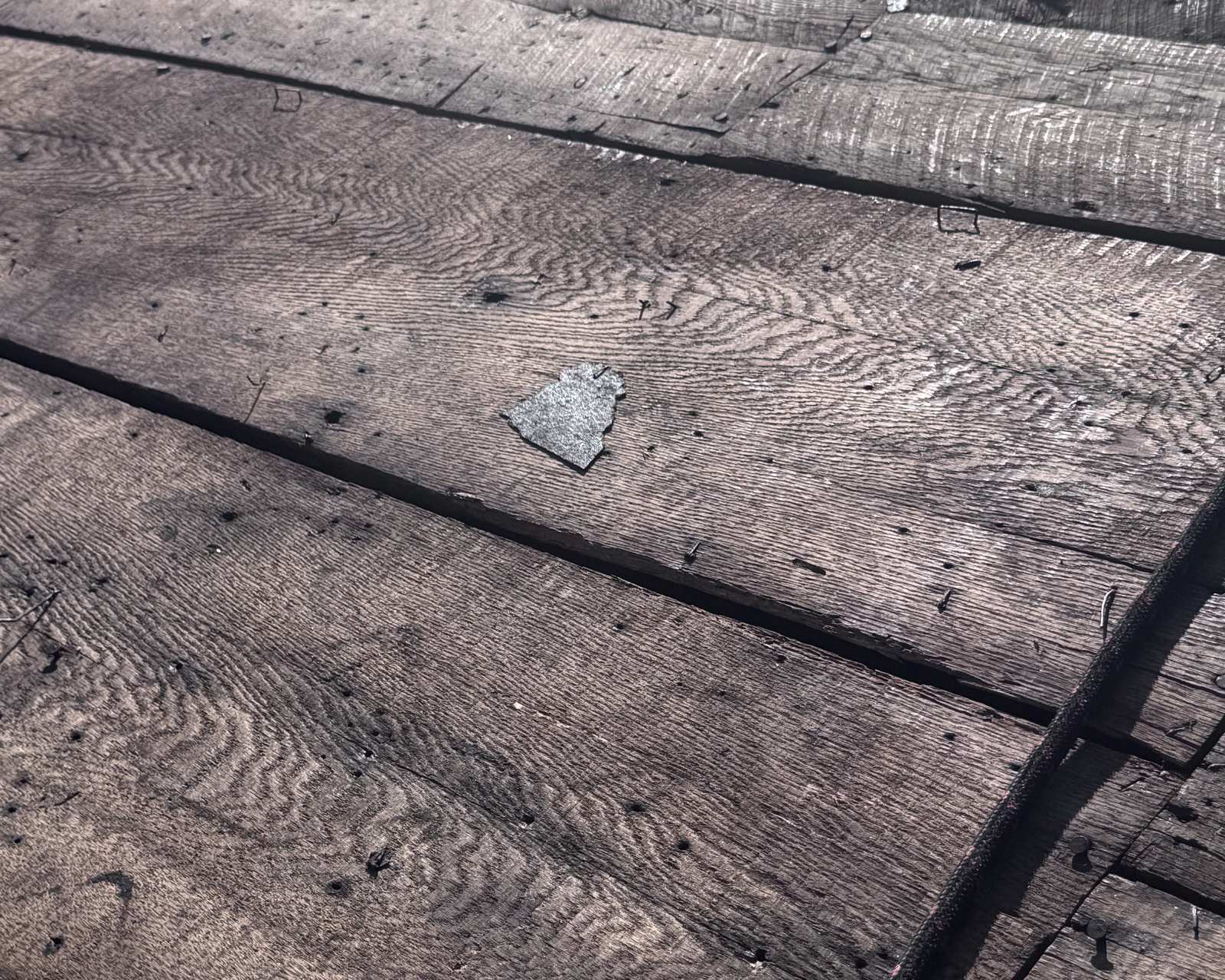
How Long Does a Roof Last in North Carolina by Material?
Different roofing materials age at different speeds. When people ask how long does a roof last in North Carolina, the material is the first thing we look at. These are general ranges, not promises. Your roof could fall short of them or go past them.
3-Tab Asphalt Shingles
3-tab shingles are the thin, flat shingles found on many older homes. They are lighter and less wind resistant than newer shingles. In our climate, they often wear out sooner than architectural shingles. If your home still has 3-tab shingles, it is likely an older roof.
Architectural Shingles
Architectural (or dimensional) shingles are thicker and layered. They are the most common choice on new roofs in Catawba, Burke, and Caldwell counties today. They usually hold up better to wind and last longer than 3-tab shingles. Want to compare the two? Read our guide on 3-tab vs. architectural shingles.
Metal Roofing
A well-installed metal roof can last much longer than shingles. It sheds rain fast and handles wind well. It costs more up front, but many homeowners like that they may not need to replace it again for a long time.
What Shortens a Roof’s Life in Western NC
Two roofs installed the same year can age very differently, which is why the answer to how long does a roof last in North Carolina varies so much from home to home. Here are the biggest factors we see on homes around Hickory, Morganton, Lenoir, and Statesville.
Heat and Sun
Long, hot summers bake shingles. Over time, the sun breaks down the asphalt and the granules start to wash off. South- and west-facing slopes usually wear out first. ENERGY STAR notes that lowering roof temperature can help extend the life of roofing materials, which is one reason heat matters so much to how long does a roof last in North Carolina.
Poor Attic Ventilation
If hot, moist air gets trapped in your attic, it cooks the shingles from below. It can also cause mold and rot in the decking. Poor ventilation is one of the most common reasons a roof ages early. Learn more in our post on checking your attic ventilation.
Storms, Wind, and Hail
Strong winds can lift and crease shingles, even if they don’t blow off. The National Weather Service has tips for staying safe when high winds hit. Hail can knock granules loose and bruise shingles. Fallen limbs can puncture the roof. Damage like this is easy to miss from the ground, but it shortens a roof’s life.
Trees, Debris, and Clogged Gutters
Overhanging branches drop leaves and keep the roof shaded and damp. Moss and algae grow faster. Clogged gutters can push water back under the roof edge and rot the fascia and decking.
Installation Quality
How a roof is installed matters as much as what it’s made of. Wrong nailing, poor flashing, or skipped steps can cause leaks years before the shingles wear out.
Signs Your Roof Is Near the End
You don’t need to climb on the roof to spot many warning signs. Stay safe and look from the ground or from inside the attic.
- Shingles that are curling, cupping, or cracked
- Bald spots where the granules have worn off
- Lots of granules in your gutters or at the bottom of downspouts
- Missing shingles after a storm
- Sagging areas on the roofline
- Water stains on ceilings or in the attic
- Daylight showing through the attic boards
- Your roof is around 20 years old or more
If you notice one or two of these, it doesn’t always mean you need a new roof. Sometimes a repair is enough. But several signs together usually mean the roof is near the end of its life. Knowing how long does a roof last in North Carolina helps you judge whether what you see is normal age or real trouble.
Is a 20-Year-Old Roof Too Old?
Not always. Some 20-year-old roofs still have life left, and some are already failing. It depends on the material, the ventilation, and the storms the roof has been through. The only way to know for sure is to have someone look closely. If you’re asking how long does a roof last in North Carolina because yours is near 20, our post Is a 20-year-old roof too old? goes into more detail.
How to Make Your Roof Last Longer
You can’t control the weather, but your habits shape the answer to how long does a roof last in North Carolina for your home. These steps help your roof reach the long end of its range.
- Clean your gutters at least twice a year, more often if you have trees nearby.
- Trim branches that hang over the roof.
- Look at your roof from the ground after big storms.
- Check your attic for stains, damp insulation, or musty smells.
- Fix small problems, like a lifted shingle or cracked pipe boot, before they spread.
- Get a professional roof inspection every few years and after major storms.
Small repairs cost far less than water damage inside your home. Catching problems early is the simplest way to protect your roof and your budget.
Repair or Replace?
If your roof is fairly young and the damage is in one area, a repair often makes sense. If the roof is older, has damage in many places, or keeps leaking after repairs, replacement may be the better value over time. Our team does both roof repair in Hickory and full roof replacement in Hickory and the surrounding area, so we’ll give you a straight answer either way.
If storms caused the damage, your homeowners insurance may cover part of it, depending on your policy and what the adjuster finds. Our storm damage roof repair page explains how that process works.
Get a Clear Answer on Your Roof
If you’re wondering how long does a roof last in North Carolina for your specific home, start with a free inspection. We’ll check the shingles, flashing, vents, and decking, and show you what we find with photos. Then you can decide what’s right for your home.
Want a price range first? Use our instant roof quote tool to see an estimate in a few minutes. If a new roof is in your future, we also offer roof financing options to help you spread out the cost. You can also call us at 828-501-0742.
Frequently Asked Questions
How long does a roof last in North Carolina on average?
The short answer to how long does a roof last in North Carolina: most asphalt shingle roofs here last around 15 to 30 years. Architectural shingles usually last longer than 3-tab shingles, and metal roofs often last longer than both. Heat, storms, ventilation, and installation quality all play a part.
Does the North Carolina climate shorten roof life?
It can, and climate is a big part of how long does a roof last in North Carolina. Hot, humid summers, strong storms, and winter freeze-thaw cycles all add wear. Good ventilation and regular upkeep help your roof hold up better.
How do I know if my roof needs to be replaced?
Look for curling or missing shingles, bald spots, lots of granules in the gutters, sagging, or water stains inside. If you see several of these, or your roof is around 20 years old, get it inspected.
Can a roof last longer than its expected lifespan?
Yes. A roof that was installed well, has good attic ventilation, and gets regular care can last toward the long end of its range or beyond it.
Does insurance pay to replace an old roof?
Insurance usually covers sudden damage, such as from a storm, not normal wear and age. Whether a claim is approved depends on your policy and the adjuster. We can document storm damage to help with the process.
Do you offer free roof inspections?
Yes. Iconic Roofing offers free roof inspections for homeowners in Hickory and across Western North Carolina.